A memorial gathering often needs to come together while the family is still processing a loss. When you need to arrange a respectful memorial gathering, the aim is not to create a perfect event. It is to give people a comfortable place to be together, share memories and support one another without adding unnecessary pressure to the person organising it.
The most successful gatherings tend to feel personal, well paced and uncomplicated. A clear plan for the venue, timings, refreshments and a few meaningful touches will give everyone more room to focus on the person being remembered.
Start with the feeling you want to create
Before choosing menus or sending messages, consider what would suit the person and the people closest to them. Some families want a quiet, informal wake where guests can drop in after a funeral service. Others prefer a larger celebration of life with music, photographs, speeches and time to raise a glass together.
There is no required format. A formal occasion may feel right for one family, while another will prefer familiar food, favourite songs and relaxed conversation. If the person had particular wishes, let those guide the decisions where possible. If they did not, simplicity is usually a good starting point.
Think about the likely number of guests early. This affects the room size, catering style and whether you need guests to confirm attendance. It can be difficult to estimate, particularly where the deceased was well known locally, so choose a space with some flexibility rather than planning too tightly around an exact figure.
Choose a venue that makes the day easier
A private room is often a practical choice for a memorial gathering because it gives family and friends space to speak freely, display photographs and spend time together away from the public. When viewing venues, ask what is included rather than assuming every item will be an additional cost.
Useful details include step-free or disabled access, nearby parking, accessible toilets, seating arrangements, Wi-Fi, a private bar and the ability to play a playlist or show a photo presentation. For guests travelling from different parts of Sussex, convenient parking and clear directions can make a real difference, especially after a service.
It is also worth checking how long you can use the room. A two-hour booking may be enough for refreshments after a crematorium service, but a longer hire can be more comfortable if guests are arriving at different times or family members want time to set up displays beforehand. Ask whether half-day and full-day options are available, and whether the team can adjust the room layout for seated guests, informal mingling or a short tribute.
At The Harbour Club, families can hire a private function room for groups of 10 to 120, with a licensed private bar, on-site catering, parking, disabled access and views across Silversands Beach and the River Adur. No membership is required, and a £100 deposit secures the date.
Consider accessibility with care
Memorial gatherings bring together people of different ages and mobility levels. Check that entrances, toilets and the route from the car park are manageable for older guests and wheelchair users. If someone is likely to need a chair near the entrance or a quieter table away from the main group, arrange this before the day.
Also consider the emotional accessibility of the space. A bright, private room with enough seating can feel more welcoming than a crowded corner of a busy pub. A view or outdoor area can be lovely, but it should support the occasion rather than become one more thing to manage in poor weather.
Set a clear and gentle timetable
Guests appreciate knowing the broad plan, even if the gathering itself is informal. Include the venue address, arrival time and whether food will be served on the funeral notice or message. If people are coming directly from a service, allow a little margin for travel, traffic and conversations outside the church or crematorium.
You do not need to fill every minute. A simple pattern works well: guests arrive, refreshments are available, one or two people say a few words if they wish, and the rest of the time is left open for conversation. If there will be several readings or speeches, nominate one person to keep an eye on the order so the closest family members are not managing the room.
Some people may only stay briefly; others may remain until the end. Both are normal. Avoid building the day around a strict finish for emotional moments, but make sure the venue knows the agreed booking time and whether you would like any flexibility if the gathering runs on.
Plan food and drink around comfort, not formality
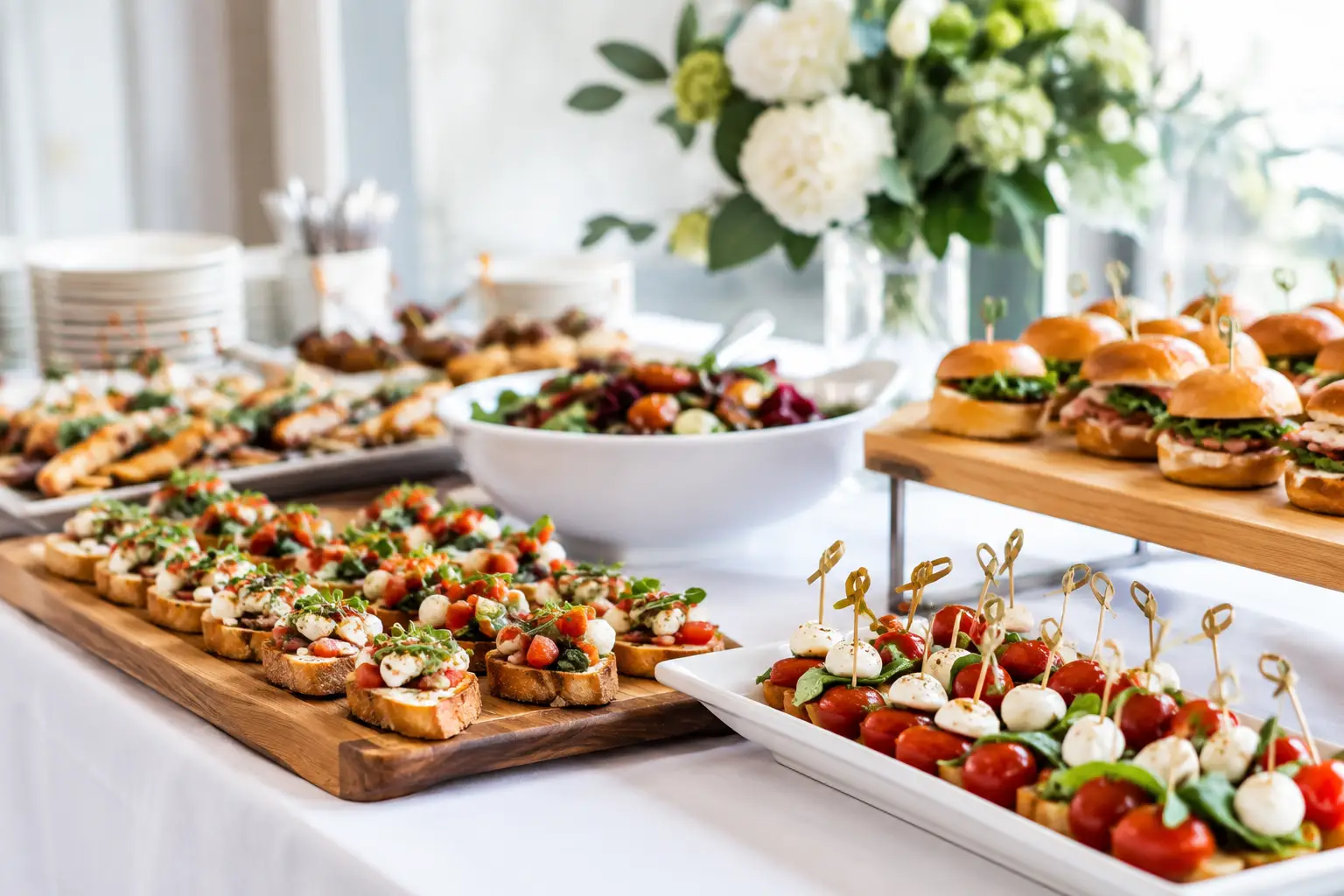
Catering should feel easy to eat and easy to share. A buffet is often the most practical choice, allowing guests to help themselves when they are ready and giving the room a relaxed flow. Tea, coffee, soft drinks and a modest bar option are usually appreciated, particularly when the event follows a morning or early afternoon service.
The right menu depends on the time of day, guest numbers and budget. Sandwiches, savoury bites and cakes can be ideal for a shorter gathering. For a longer afternoon or evening event, hot buffet dishes may be more suitable. Ask about vegetarian, vegan, gluten-free and other dietary requirements early, then give the venue a final guest estimate in good time.
Alcohol can be part of a warm tribute, but it need not define the occasion. A private bar gives guests choice, while tea and coffee ensure everyone is included. If the person had a favourite drink, you could offer it as an optional small toast rather than organising anything elaborate.
Add personal touches without overloading the room
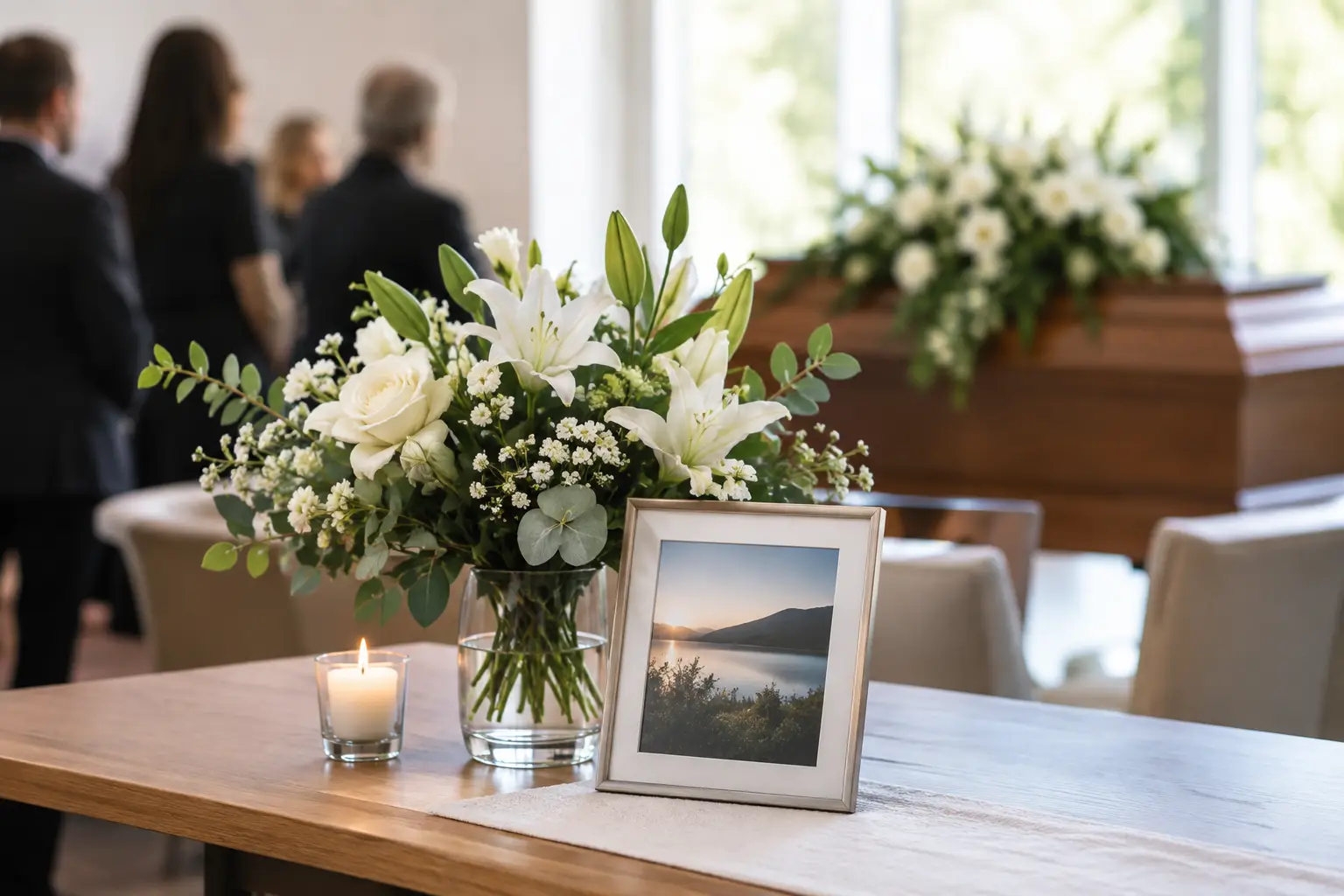
A few well-chosen details often mean more than extensive decoration. A framed photograph near the entrance, a memory table, a favourite flower or a playlist of meaningful songs can gently set the tone. If you are displaying photographs, bring copies rather than irreplaceable originals, and ask someone to take responsibility for packing them away afterwards.
A memory book is a thoughtful option for guests who may not want to speak publicly. Leave it somewhere visible with a pen and a short invitation to write a story, message or name. Families often find these notes especially valuable after the day, when the pace has slowed and they have time to read them properly.
For a larger celebration of life, a screen or projector can help share photographs and video clips. Keep any slideshow relatively short and check the equipment before guests arrive. Technical problems are common when people are under pressure, so a simple collection of images and a prepared playlist are often enough.
Decide whether speeches are right
A spoken tribute can be deeply moving, but it should never feel compulsory. A family member might welcome the chance to say a few words, while another may prefer a poem, a favourite song or no formal contribution at all.
If several people would like to speak, agree a loose running order and encourage short contributions. It is helpful to have printed notes, a glass of water and a chair nearby. Most importantly, leave space for emotion. Pauses, tears and laughter are all part of remembering someone well.
Share practical information clearly
Once the venue and time are confirmed, send guests one straightforward message. Include the full address, start and finish time, parking details, whether the event is private, and any accessibility information that may help. If you need numbers for catering, give a simple date for replies, but be prepared for some guests to decide at short notice.
Choose one family contact or a trusted friend to answer venue questions on the day. They can direct suppliers, welcome guests or liaise with staff if needed. This small decision protects the immediate family from being pulled into practical conversations when they should be able to spend time with those around them.
Keep the decisions proportionate
Grief can make ordinary choices feel unusually difficult. Set a budget, choose the few elements that matter most and allow the rest to be straightforward. You may want a scenic private setting, good food and a room that is easy for everyone to reach. Beyond that, many details can be left to a helpful venue team.
A respectful gathering is not measured by how much has been arranged. It is measured by whether people feel welcome to remember, talk, laugh when it comes naturally and leave knowing they have shared something meaningful. Choose a space that takes care of the practicalities, then let the people in the room do the remembering.