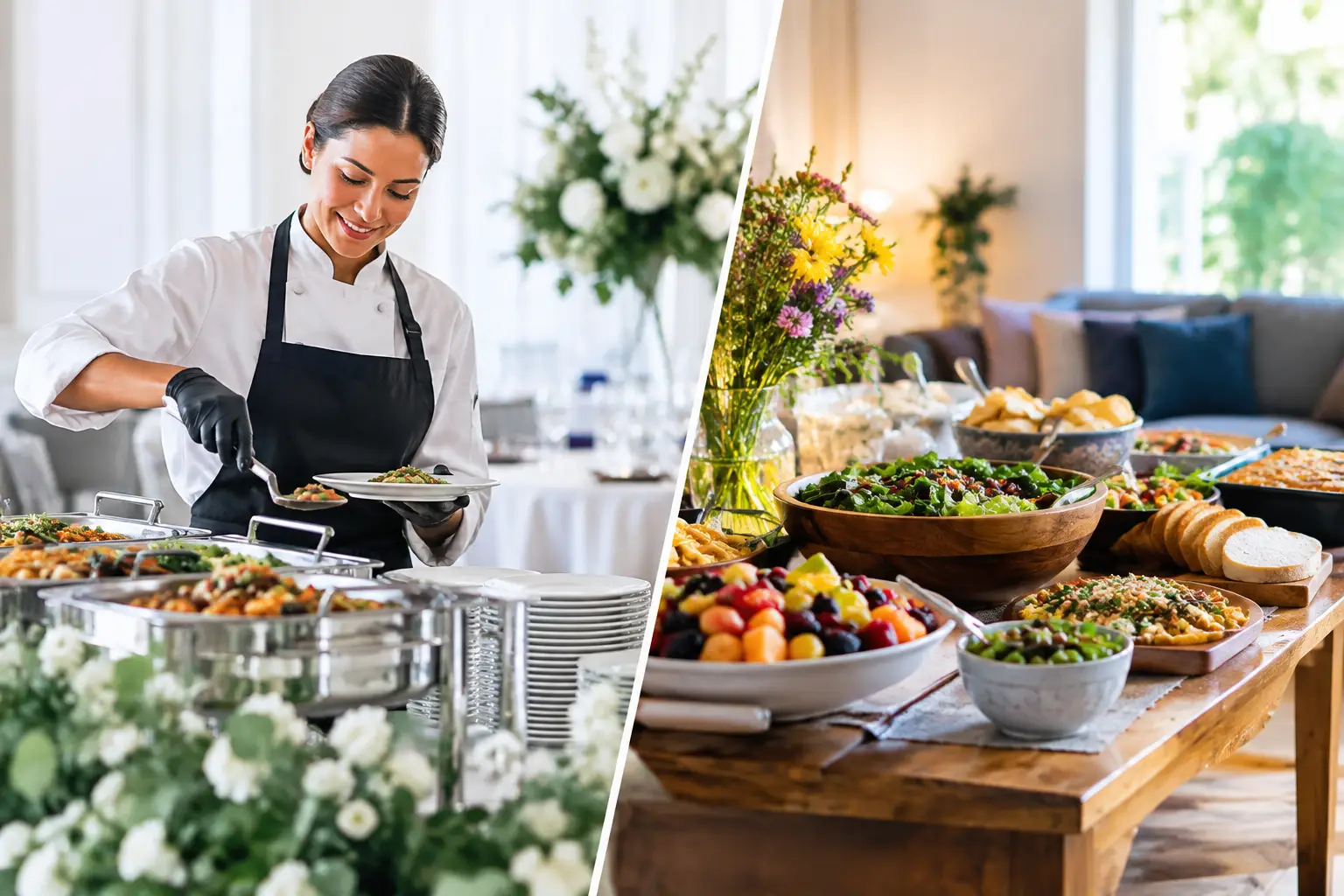
A birthday tea for 30, an anniversary lunch with family, or an evening engagement party can all need very different food and drink arrangements. The best celebration catering packages make those decisions easier: they give you a clear starting point, while leaving room for the details that make the occasion feel like yours.
For celebrations of 10 to 120 guests, the priority is not simply choosing dishes. It is matching the catering to the time of day, the guest list, the room layout and the style of gathering you want to host. A relaxed buffet may be ideal for a party with dancing, while a more structured meal can suit a wedding reception or a milestone anniversary. Getting that balance right early helps you set a realistic budget and gives guests a better experience on the day.
What should celebration catering packages include?
A useful package should explain what is covered before you commit. Food is only one part of the picture. Ask how food will be served, whether crockery and staffing are included, what drinks arrangements are available, and whether the venue can accommodate dietary requirements. If you are hiring a private room, it also helps to know how catering works alongside room hire and any minimum bar spend.
At The Harbour Club, celebrations can be arranged around a private function room, licensed bar and on-site catering, so you are not left coordinating several separate suppliers. This is particularly helpful when you are planning an event for the first time or organising on behalf of a family member. You can discuss your guest numbers, preferred schedule and the type of occasion, then build an arrangement that suits rather than forcing your plans into a fixed format.
A clear package conversation should cover four practical areas:
- the food style and approximate number of portions required;
- drinks, including use of the private bar and any bar-spend arrangement;
- service timing, from guest arrival through to the final refreshments; and
- dietary, cultural or accessibility considerations for your guests.
The detail matters. Serving food too soon can leave late arrivals without a proper welcome; serving it too late can affect younger children, older guests or anyone travelling home early. A venue team that understands the running order can help you avoid those avoidable pinch points.
Choose catering for the way people will celebrate
The right choice depends on the atmosphere you want to create. There is no single best format for every event, and a package should reflect that.
Buffets and informal sharing food
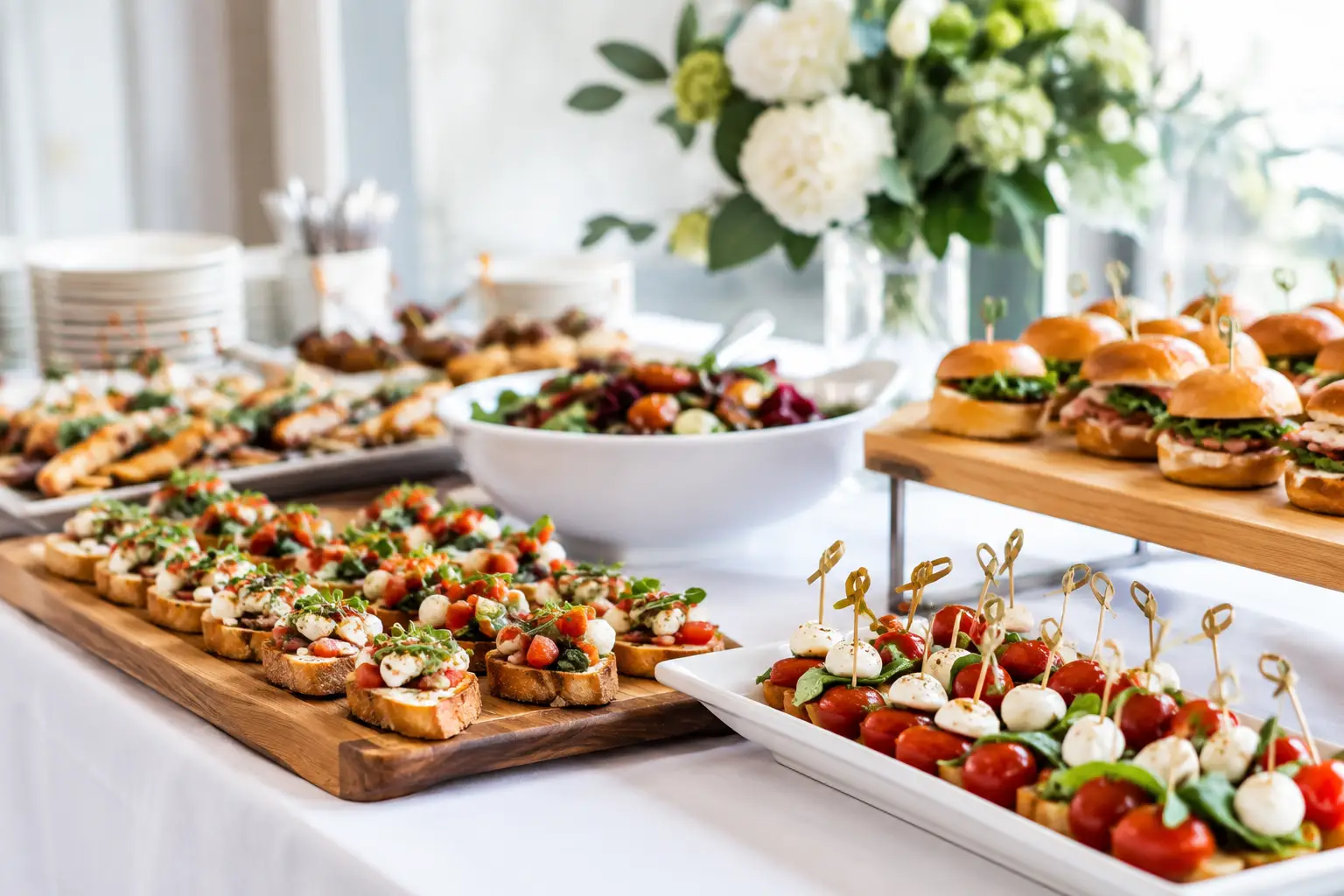
Buffet-style catering is often a strong choice for birthday parties, baby showers, christenings and relaxed family celebrations. Guests can eat when it suits them, conversations can move naturally around the room, and the event does not have to pause for everyone to be seated at once. It also works well where entertainment, speeches or a dance floor are part of the plan.
The trade-off is that a buffet needs sensible timing and space. If everyone heads to the table at once, queues can form. For larger groups, it is worth discussing where the food will be positioned and whether it should be refreshed in stages. You may also want to make sure the menu gives sufficient choice for guests with vegetarian, vegan or allergen-related needs.
A more structured meal
For an anniversary, wedding reception or formal family gathering, a seated meal can give the occasion a clearer shape. Guests know when food will be served, hosts can plan speeches around the meal, and table layouts can encourage different generations of family and friends to spend time together.
This option needs more preparation. Final guest numbers are more important, seating plans may be needed, and a late change can be harder to manage. It can be well worth it for an occasion where dining is central to the celebration, but it is not automatically the right answer for a lively evening event.
Light refreshments and afternoon occasions
Not every celebration needs a full meal. For an afternoon baby shower, post-christening gathering or informal birthday get-together, lighter refreshments can feel more appropriate and help keep the budget focused on the parts of the event that matter most to you. The key is to be clear in your invitation about the timing, so guests understand whether they are joining you for lunch, afternoon refreshments or an evening party.
A half-day room-hire option can suit this type of event particularly well. It gives you a dedicated private space without paying for more time than you need, while still allowing guests to enjoy the waterfront views over Silversands Beach and the River Adur.
Build drinks into the plan from the start
Food and drink should be planned together, not treated as separate last-minute tasks. A licensed private bar offers convenience for guests and reduces the amount you need to buy, transport, chill and clear away yourself. It also gives you a more straightforward way to manage drinks during an evening party or reception.
Consider the pace of the day. Guests arriving after work may appreciate a welcome drink or easy access to the bar before food is served. At a daytime family event, tea, coffee and soft drinks may be more relevant. For a wedding reception or engagement party, you might plan drinks around the arrival, speeches and evening entertainment.
Minimum bar-spend packages can be a sensible route when you expect guests to buy drinks throughout the event. They can support the cost of hiring a private room while keeping the arrangement transparent. Ask exactly how the spend works, what is included, and what happens if your group does not reach the agreed amount. Clear answers protect your budget and prevent awkward surprises later.
Keep your budget flexible, not vague
A good catering plan is not necessarily the one with the most choices. It is the one that puts money where your guests will notice it. For some hosts, that means generous food and a simple room set-up. For others, it means lighter catering with more budget for a DJ, decorations, a photo backdrop or production equipment.
Start with a firm guest-number range, then separate essential costs from optional extras. Room hire, food, drinks and any required service are your core figures. Styling, entertainment and added décor can then be chosen according to your priorities. If numbers may change, ask when the final catering count is needed and whether there is any flexibility close to the date.
Self-catering can also be worth considering for some occasions, particularly where family traditions or specific food preferences are central to the day. However, it is important to check the practicalities first: storage, serving space, cleaning, food safety and how your own catering fits with the venue bar. The apparent saving is not always a saving once you factor in equipment, transport and the time someone must spend managing it.
Make the room work with the food
Catering affects more than the menu. It shapes how the room feels and how easily guests can move around it. A function room for 120 people may need a different arrangement for a buffet, a sit-down meal or a party with a dance floor. Tell the venue team if you are expecting pushchairs, mobility aids, young children or guests who may need a quieter place to sit.
Practical facilities can remove a great deal of pressure from the organiser. Free parking is valuable when relatives are bringing cakes, flowers or decorations. Disabled access helps ensure everyone can attend comfortably. Wi-Fi can support music, presentations or a slideshow, while a dedicated dance floor keeps the party area distinct from where guests are eating and talking.
If you are arranging a celebration of life, the approach may be gentler and more flexible. Refreshments often need to be available over a longer period as guests arrive at different times and spend time talking with family. A private bar and a room away from the main venue can offer the privacy and calm that these gatherings require.
Questions to ask before you secure the date
Before booking, share the basics: your preferred date, estimated numbers, the reason for the celebration and whether you want a daytime or evening event. Then ask what room-hire duration is most suitable. Half-day and full-day hires work well for private celebrations, while hourly booking can make more sense for a shorter corporate gathering.
It is also sensible to ask about set-up time. If you are bringing balloons, table decorations, a cake or entertainment, you will want to know when suppliers can arrive and how much time you have to make the room your own. A viewing is often the quickest way to answer these questions, especially if you are deciding between seating styles or picturing where food, gifts and music will go.
No membership is required to book, and a £100 deposit can secure your date. That gives you the confidence to begin planning the enjoyable details, rather than worrying that the space will be gone before your guest list is finalised.
The most successful celebration catering packages give you enough structure to plan with confidence and enough flexibility to make the event personal. Arrange a visit, talk through the occasion and picture your guests in the room – that is usually when the right food, drinks and finishing touches become much easier to choose.