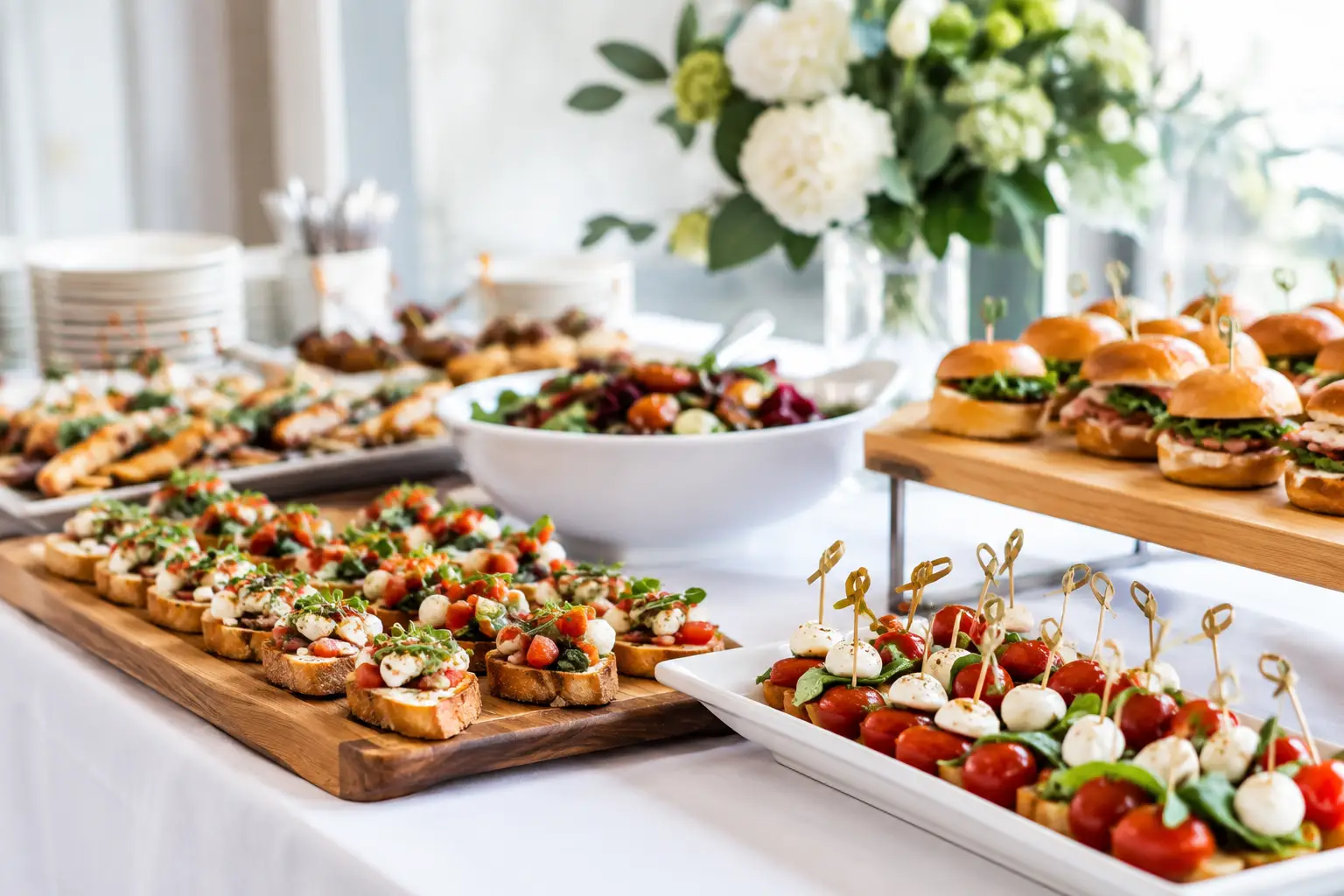
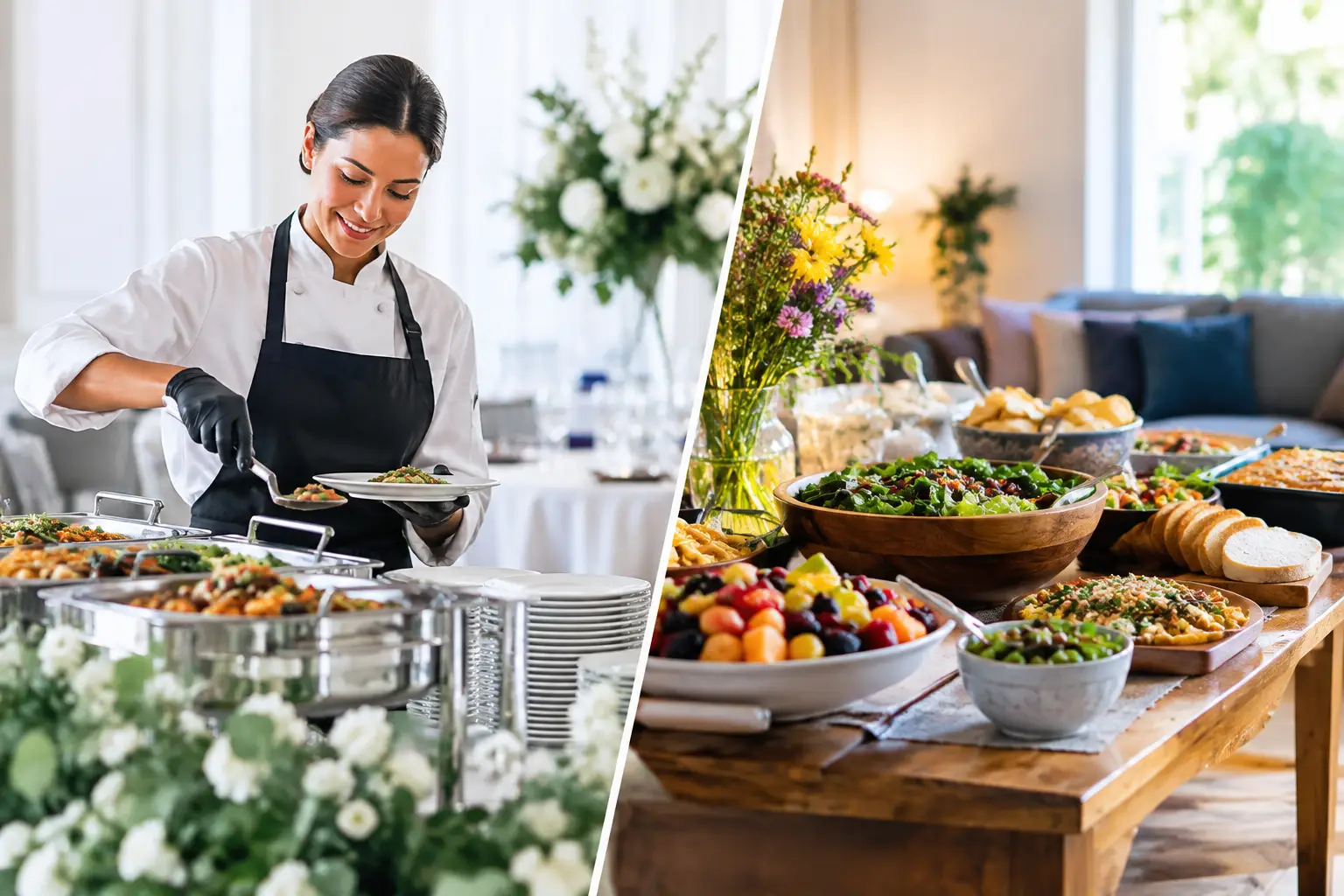
The food table is often where guests gather first, stay longest and remember most. A good event catering guide is therefore not about choosing the fanciest menu. It is about serving the right food, in the right amount, at the right point in the day, while giving you time to enjoy the people you invited.
Whether you are arranging a birthday party, wedding reception, baby shower, celebration of life or work event in Shoreham-by-Sea, catering decisions affect your budget, venue layout, staffing and schedule. Start with the practical details, then add the personal touches that make the occasion feel like yours.
Start your event catering plan with the guest list
Your confirmed guest number is the foundation of every catering decision. Until you know roughly how many people are attending, it is difficult to order food accurately, choose a serving style or agree a realistic budget. For a larger gathering, ask guests to RSVP by a set date and build in a small allowance for late replies.
Guest numbers are only one part of the picture. Think about who is coming and how they will use the event. A daytime christening with young families may suit easy buffet food and plenty of soft drinks. An evening anniversary celebration may call for more substantial dishes, a private bar and food that can be eaten while guests chat or take to the dance floor.
Timing matters just as much. Guests arriving at 12.30 pm will expect lunch, while a 3 pm start may be better suited to afternoon tea, grazing food or light bites. For an evening party beginning after 7 pm, make it clear on the invitation whether a full meal is being served. If people expect dinner and receive only nibbles, even a generous buffet can feel inadequate.
Choose a catering style that suits the occasion
The best format depends on the atmosphere you want, the length of the booking and the practical needs of your guests. Formal plated dining gives a wedding reception or awards evening structure, but it needs a firmer running order and more seated space. A buffet creates a more relaxed feel and lets guests choose their own portions, though it needs sensible placement to avoid a queue at one end of the room.
Finger buffets work particularly well for informal parties, networking events and memorial gatherings where guests arrive and leave at different times. The food should be substantial enough for the time of day, not just a collection of crisps and small snacks. Include a balance of familiar favourites, vegetarian options and a few filling items such as sandwiches, wraps, savoury pastries or hot food.
A sharing menu can feel generous and sociable for family celebrations, while afternoon tea is a natural choice for baby showers, birthdays and daytime occasions. If your event includes speeches, presentations or entertainment, choose food that is easy to manage around them. Nobody wants to call guests to attention halfway through a hot meal or ask a speaker to compete with a busy buffet queue.
Plan for dietary requirements early
Dietary needs should be collected with RSVPs, rather than dealt with in the final few days. Ask about allergies as well as vegetarian, vegan, halal and gluten-free requirements. Then provide this information clearly to the catering team, including the guest count for each requirement.
It is worth agreeing how special meals will be identified and served. Labels can help at a buffet, but dishes for severe allergies may need to be kept separate to reduce the risk of confusion. Do not assume that a vegetarian dish is automatically suitable for every dietary requirement. Ingredients, preparation and cross-contamination all matter.
A thoughtful menu should not make guests with dietary needs feel like an afterthought. Offering choices that look and taste as appealing as the main selection is a simple way to make everyone feel included.
Set a catering budget before selecting every dish
Food and drink costs can change quickly when choices are made one item at a time. Set an overall figure first, then decide what matters most to your occasion. You may prefer a generous buffet with a straightforward cake, or a simpler menu with room in the budget for a welcome drink, entertainment or table décor.
When comparing catering options, check what is included. Ask whether prices cover service, crockery, cutlery, table linen, clearing away and any staffing required. A lower headline cost may not be the better value if several essentials are added later.
For events with a private bar, food and drink can be planned together. A minimum bar-spend arrangement may suit a party where guests are likely to buy their own drinks, while hosted drinks can work well for a corporate function or wedding reception. The right choice depends on your guests, the length of the event and the level of control you want over the total spend.
At The Harbour Club, private functions can be shaped around your plans for groups of 10 to 120, with on-site catering, self-catering options and a licensed private bar available. This can reduce the number of separate suppliers you need to organise and helps keep the event plan in one place.
Build food service into the running order
Catering is not separate from the rest of the event. It determines when guests arrive, when speeches happen and when staff need access to the room. Give the food service a clear place in your schedule from the beginning.
For example, welcome drinks and light bites can give late arrivals time to settle in before a ceremony, presentation or speeches. A buffet is often best opened after the main formal moment, so guests are not juggling plates during important announcements. For a celebration of life, food can be available throughout the gathering, allowing family and friends to eat when they feel ready rather than following a rigid timetable.
Allow enough time for the room to be prepared before guests enter. Tables for food, drinks and cake all need space, and the layout should keep routes clear for wheelchair users, pushchairs and staff carrying hot dishes. If you are hiring entertainment or planning a dance floor, make sure the buffet area will not block the performance space later in the day.
Give your caterer a clear brief
A short written brief prevents misunderstandings and makes final checks easier. Include:
- the final guest number and serving time;
- your menu, including dietary requirements and allergy information;
- whether food is buffet-style, plated or served as canapés;
- the event schedule, including speeches, cake cutting and entertainment; and
- a named contact who can make decisions on the day.
If you are bringing your own cake, desserts or self-catered items, confirm storage, serving equipment and who will set them out. These small details are easy to overlook, especially when you are also arranging decorations, music and guest seating.
Avoid the common catering mistakes
The most frequent problem is ordering too little food for the time of day. If an event runs across a normal meal time, provide enough for guests to regard it as a meal. It is better to choose a simpler, filling menu than spend the budget on lots of small extras that do not satisfy anyone.
Another mistake is trying to cater for every possible taste. A focused menu with well-chosen options is easier to manage and usually produces less waste. Aim for variety across the table, rather than an endless number of dishes. Include vegetarian choices as part of the main offer, and make sure there are suitable options for children if they are attending.
Finally, do not leave the venue conversation until the menu is fixed. Your chosen room, access times, kitchen arrangements and available facilities all affect what can be served comfortably. A waterfront setting may be ideal for welcome drinks and photographs, but the food plan still needs to suit the weather, the room and the flow of the day.
The practical event catering guide: final checks
Around a week before your event, confirm the final numbers, menu and dietary list. Recheck arrival and serving times, make sure the person greeting suppliers knows the plan, and tell the venue if you have any changes to the room layout or schedule. For corporate bookings, this is also the moment to confirm presentation breaks, tea and coffee requirements and any late finish.
Good catering should support the occasion without becoming another job for the host. Choose food that fits your guests, be clear about the budget and give the day enough structure for everyone to eat, talk and celebrate comfortably. A visit to see the room and discuss your plans in person can turn a long catering checklist into a straightforward, well-organised event.