A buffet that runs out too early can leave guests disappointed. A host who spends the whole party plating food can miss their own celebration. These are the practical details behind catered versus self catered celebrations – and they are worth deciding before you choose menus, decorations or entertainment.
For birthdays, wedding receptions, baby showers, anniversaries and celebrations of life, food and drink set the rhythm of the occasion. The right choice is not simply about spending more or less. It is about how much you want to manage yourself, what your guests need, and the kind of atmosphere you want to create.
Catered versus self catered celebrations: the key difference
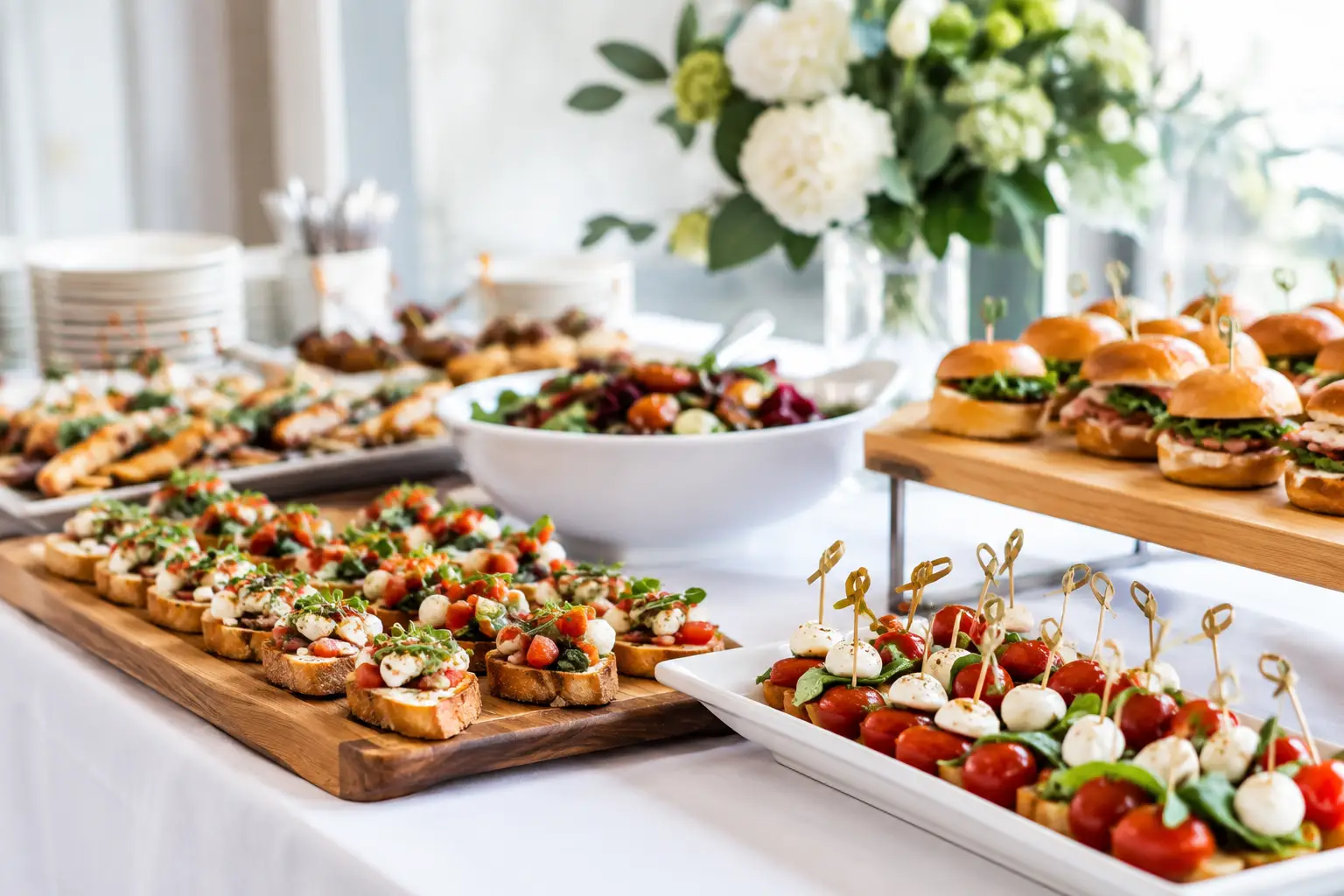
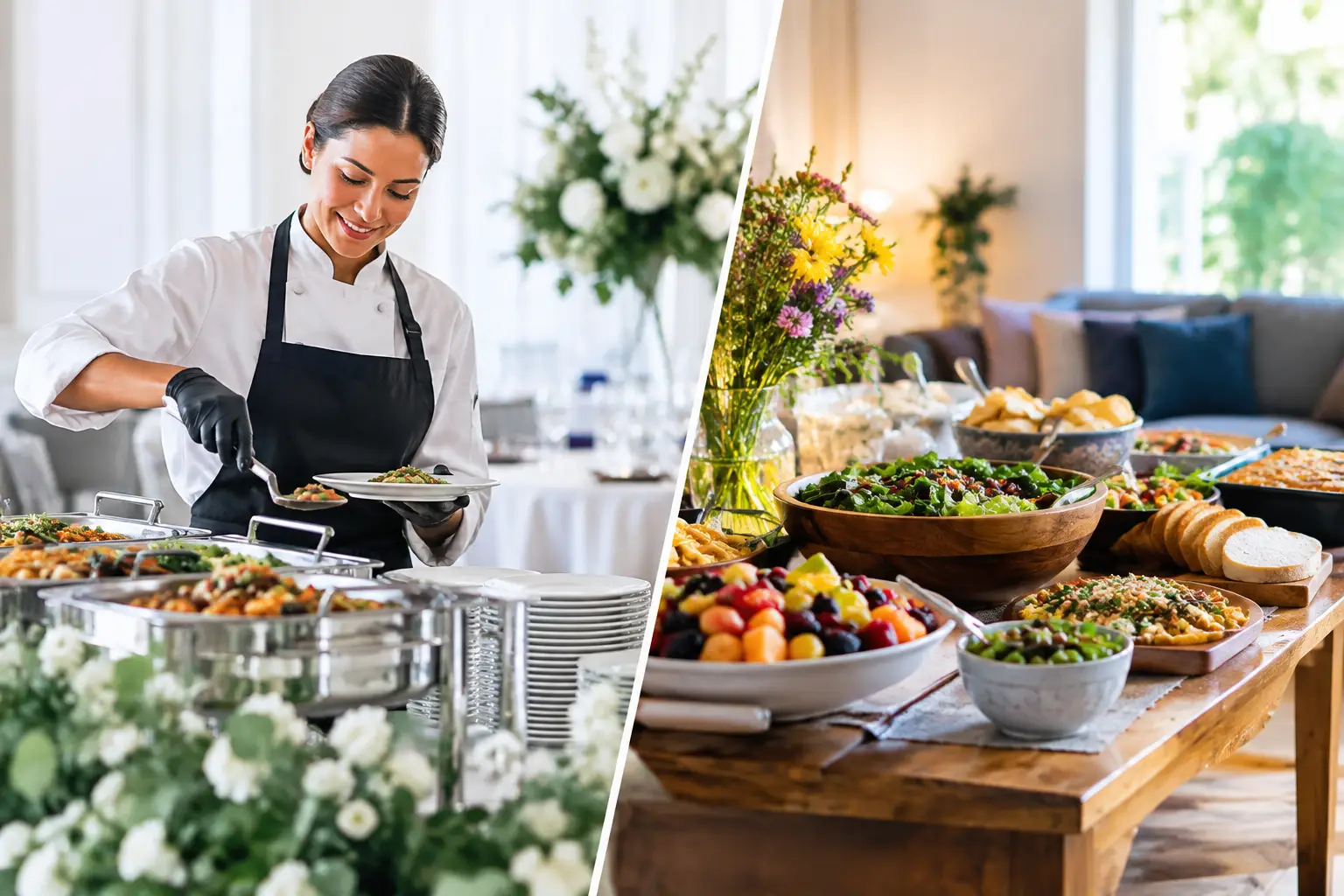
A catered celebration means the venue or a professional supplier prepares and serves some or all of the food. This might be a relaxed buffet, sharing platters, afternoon tea, a formal sit-down meal or canapés for a drinks reception. Depending on the package, catering may also include staff to set up, replenish food, clear tables and manage timings.
Self catering puts you in charge of the food. You might prepare dishes at home, ask family members to contribute, arrange a supermarket order or bring in food from a preferred local supplier. It can be wonderfully personal, particularly for cultural celebrations, informal family parties or events where a favourite homemade dish matters.
Neither approach is automatically better. The best fit depends on your guest numbers, available time, budget structure and appetite for organising the details.
When catering is the easier choice
Catering is often the sensible option when the event has a fixed start time, a mixed-age guest list or more than a small gathering. Once you are feeding 40, 70 or 120 people, shopping, refrigeration, transport, serving equipment and food safety become a significant job in their own right.
With professional catering, you can agree the menu and numbers in advance, then spend the event greeting guests rather than checking whether there are enough plates or warming trays. This is especially helpful for wedding receptions, milestone birthdays and corporate events, where the host may need to welcome arrivals, make a speech or keep to a programme.
Catering also makes dietary requirements easier to handle. Vegetarian, vegan, gluten-free and allergen-aware options need clear labelling and separate preparation. A capable catering team can plan these choices ahead of time, so guests are not left guessing what they can eat.
There is a value beyond the menu itself. Food is delivered at the right point in the event, presented properly and cleared away afterwards. For a celebration of life or a wake, that quiet practical support can be particularly valuable. Families can focus on one another rather than the logistics of feeding a room.
Budgeting for catered food
Catering can look more expensive at first glance because the price is visible per person. However, compare like with like. A self-catered event may require separate spending on ingredients, platters, serving utensils, napkins, storage, transport, staff help and the inevitable extra food bought ‘just in case’.
A clear catering quote gives you a reliable figure to work from. It also reduces last-minute supermarket trips and the risk of paying for food that cannot be stored or used afterwards. If your budget is tight, a well-planned buffet or afternoon tea can offer a more manageable alternative to a formal meal without losing the feeling of being looked after.
Where self catering works brilliantly
Self catering gives you more control over what is served and when. It suits a relaxed daytime gathering, a children’s party with familiar favourites, or a family celebration built around dishes people genuinely love making. It can also be a good choice if you have a trusted outside food supplier in mind.
For smaller groups, the workload may feel entirely manageable. A cold buffet, cakes, grazing-style food or a bring-and-share table can create a generous, informal atmosphere without the structure of a served meal. Guests may enjoy contributing too, provided expectations are clear and you do not rely on everyone remembering an essential item.
It is also useful where food is not the main event. At an engagement party with an evening bar, for example, substantial nibbles and a celebratory cake may be all that is needed. The money saved on a larger meal could go towards a DJ, room styling or an activity for guests.
The self-catering questions to answer early
Before committing to self catering, establish exactly what the venue permits and what facilities are available. Ask about preparation space, refrigeration, access times, tables for food, serving equipment, rubbish disposal and whether you can reheat dishes on site. Do not assume a kitchen can be used unless this has been agreed.
You should also decide who is responsible for each task. Someone needs to collect food, carry it in, arrange it, monitor it during the event and take leftovers home. At a large party, that should not be the person trying to host, cut the cake and speak to every guest.
Food safety deserves careful consideration too. Hot food needs to stay hot, chilled food needs to remain chilled, and dishes containing common allergens should be labelled. If guests are bringing food, ask them to provide ingredient information, particularly for a children’s party or an event involving older relatives.
A practical way to compare costs
Start with your likely guest number, then write down everything each option requires. This creates a more useful comparison than looking only at the headline food price.
For catering, include the food package, any service charge, menu upgrades and drinks arrangements. For self catering, include food and drink, collection or delivery, containers, ice, serving tools, disposable or hired tableware, storage, waste and any paid help on the day.
Then put a value on your time. Preparing food for a large group can take several evenings, plus the morning of the event. If you enjoy that and have people ready to help, it may be part of the fun. If it sounds stressful, catered food can be money well spent.
A hybrid format is often the answer. You could arrange a catered buffet that covers the main food, then bring a homemade celebration cake. Or provide your own sweet table while the venue handles savoury food and drinks. This keeps a personal touch while avoiding the most demanding parts of catering.
Match food service to the occasion
The style of celebration matters as much as numbers. A corporate meeting may need prompt refreshments that do not interrupt the agenda. A baby shower may suit afternoon tea and cake. A wedding reception could call for canapés on arrival, followed by a buffet that lets guests mingle. For a Christmas party, sharing food or a substantial buffet can keep the evening moving towards the dance floor.
Consider your guests’ comfort as well. A seated meal works well when people are expected to stay for several hours and conversation is central. A buffet is more flexible for arrivals over a longer window. If children are attending, serving food earlier than the adult meal can prevent a restless room.
Drinks should be part of the same decision. A licensed private bar removes the need to source, chill and serve alcohol yourself, while allowing guests to choose what they would like. If you are providing food independently, agreeing the bar arrangements early helps avoid crossed wires over what can be brought in and what is supplied by the venue.
Planning the format with your venue
A good venue should help you work through the practicalities rather than push one format regardless of your event. At The Harbour Club, private functions can be tailored for groups of 10 to 120 guests, with on-site catering and self-catering options available alongside a licensed private bar, entertainment and event-styling additions.
This flexibility is useful when your plans are still taking shape. You may begin with a simple self-catered family gathering, then decide that catering the main food would make the day easier. Equally, you may prefer to bring a meaningful cake or selected dishes while using the venue’s facilities, bar and space for the rest.
When viewing a room, ask where food will be placed, how guests will move around it, whether tables are included and what happens after the meal. Details such as parking, disabled access, Wi-Fi and a dance floor may not affect the menu, but they can make the whole event more comfortable and straightforward.
The right choice should leave you free to be present. Whether that means handing the food over to a catering team or serving your family’s favourite dishes yourself, plan the format that lets you enjoy the people you brought together.