A celebration should not begin with a guest worrying about how they will get through the door, where they can park or whether they will be able to use the facilities comfortably. Choosing a disabled access party venue means looking beyond a single feature and planning an occasion where every guest can arrive, take part and relax with confidence.
For birthdays, anniversaries, baby showers, wedding receptions and family gatherings, practical details shape the experience as much as food, music and decorations. A venue team should be happy to discuss your group, explain the layout clearly and help you make choices that work for the people you are inviting.
What disabled access should mean for a party venue
Disabled access is not a one-size-fits-all requirement. Guests may use wheelchairs or mobility aids, have limited mobility, need step-free routes, require nearby parking, live with sensory sensitivities or need space for a carer to attend alongside them. The right venue will treat this as part of good event planning, rather than an awkward last-minute question.
Start with the journey from arrival to the party room. Is there accessible parking close to the entrance? Is the route from the car park level, well maintained and suitably wide? Are there any thresholds, narrow doorways or changes in floor level that could make access difficult? A ramp may help at one entrance, but it is not the whole picture if the toilets, bar or main seating area are elsewhere.
It is also sensible to ask about the accessible toilet provision, internal circulation space and emergency arrangements. Your needs may be straightforward, or they may be specific to one guest. Either way, a clear conversation before booking avoids assumptions and allows everyone to look forward to the event.
Questions to ask a disabled access party venue
A venue viewing is the best time to follow the route your guests will use. Do not be afraid to take your time. A friendly venue team will understand that accessibility is about comfort, dignity and the freedom to join in.
Ask whether disabled parking is available and whether spaces can be reserved or kept clear for guests who need them. Check the distance from the parking area to the function room, particularly if your celebration takes place in the evening or during colder weather. Good lighting and a direct route can make a genuine difference.
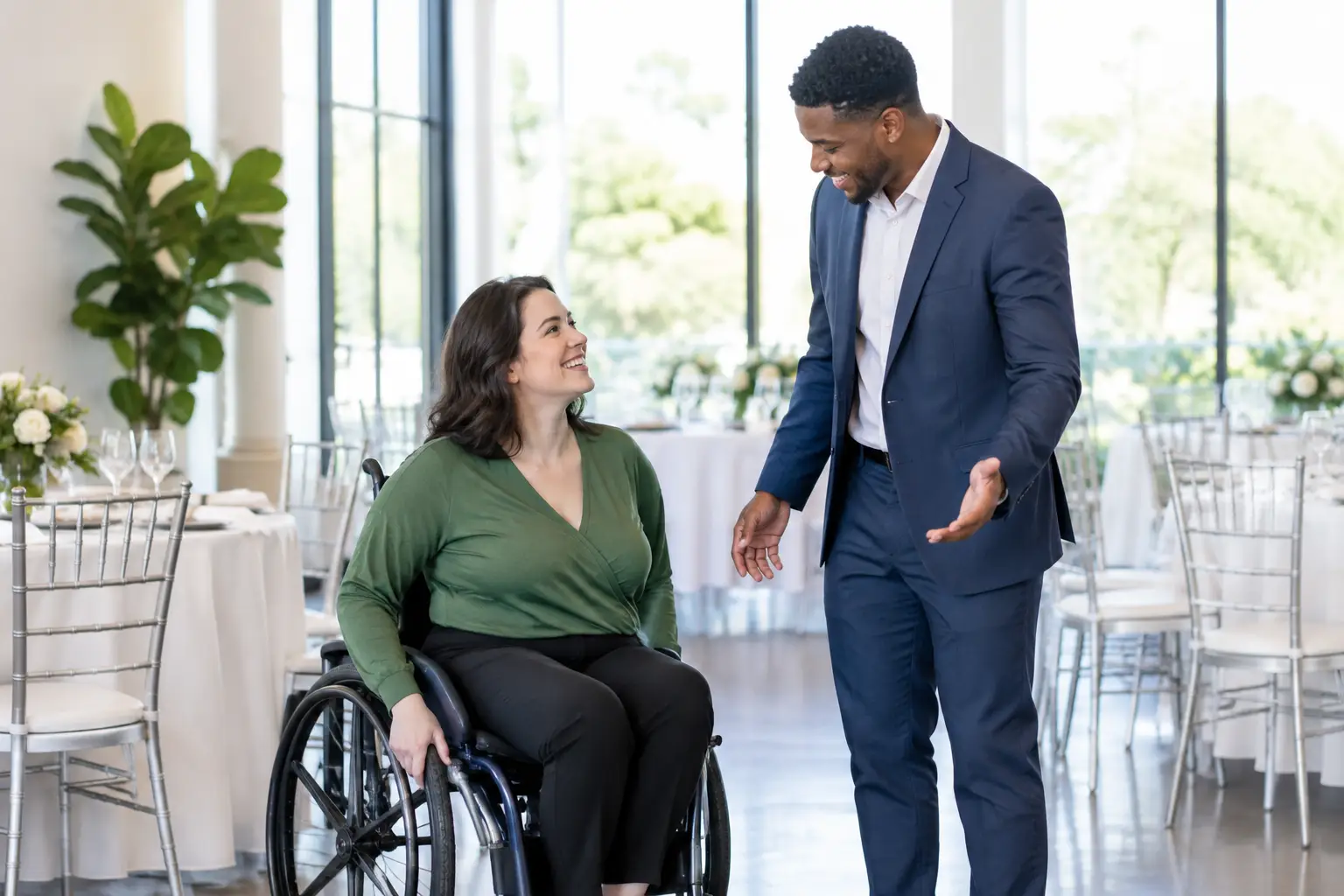
Inside, consider how the room will be set up. Tables packed tightly together may maximise capacity, but they can make moving around difficult. If wheelchairs, walking frames, pushchairs or assistance dogs are part of your guest list, leave generous routes between tables and ensure there is space at the bar, buffet and dance floor. For a smaller group, a more open layout may be worth more than fitting in extra furniture.
Think, too, about the pace of the event. A sit-down meal, speeches and dancing all place people in different parts of the room. Choosing a private function room gives you more control over where key moments happen, so nobody is left with a poor view, blocked route or inconvenient table position.
Plan the room around the people attending
The most inclusive parties rarely feel clinical or over-planned. They simply make sensible decisions early. Tell the venue how many guests you expect, whether anyone uses a wheelchair or has restricted mobility, and whether you need particular seating arrangements. This helps the team recommend a layout that feels sociable while keeping access routes clear.
Place guests who may need easier access near entrances, toilets or quiet areas, but do not isolate them from the celebration. Keep the main activity within reach, whether that is the cake table, a photo backdrop, the top table or the dance floor. If a buffet is being served, ask whether staff can assist guests who may find queuing or carrying plates difficult.
Sound and lighting matter as well. Live entertainment and a busy dance floor can make a party memorable, but very loud music or flashing effects may not suit every guest. Discuss volume levels, microphone use for speeches and lighting choices in advance. There is usually a practical middle ground that preserves the atmosphere without making the room uncomfortable.
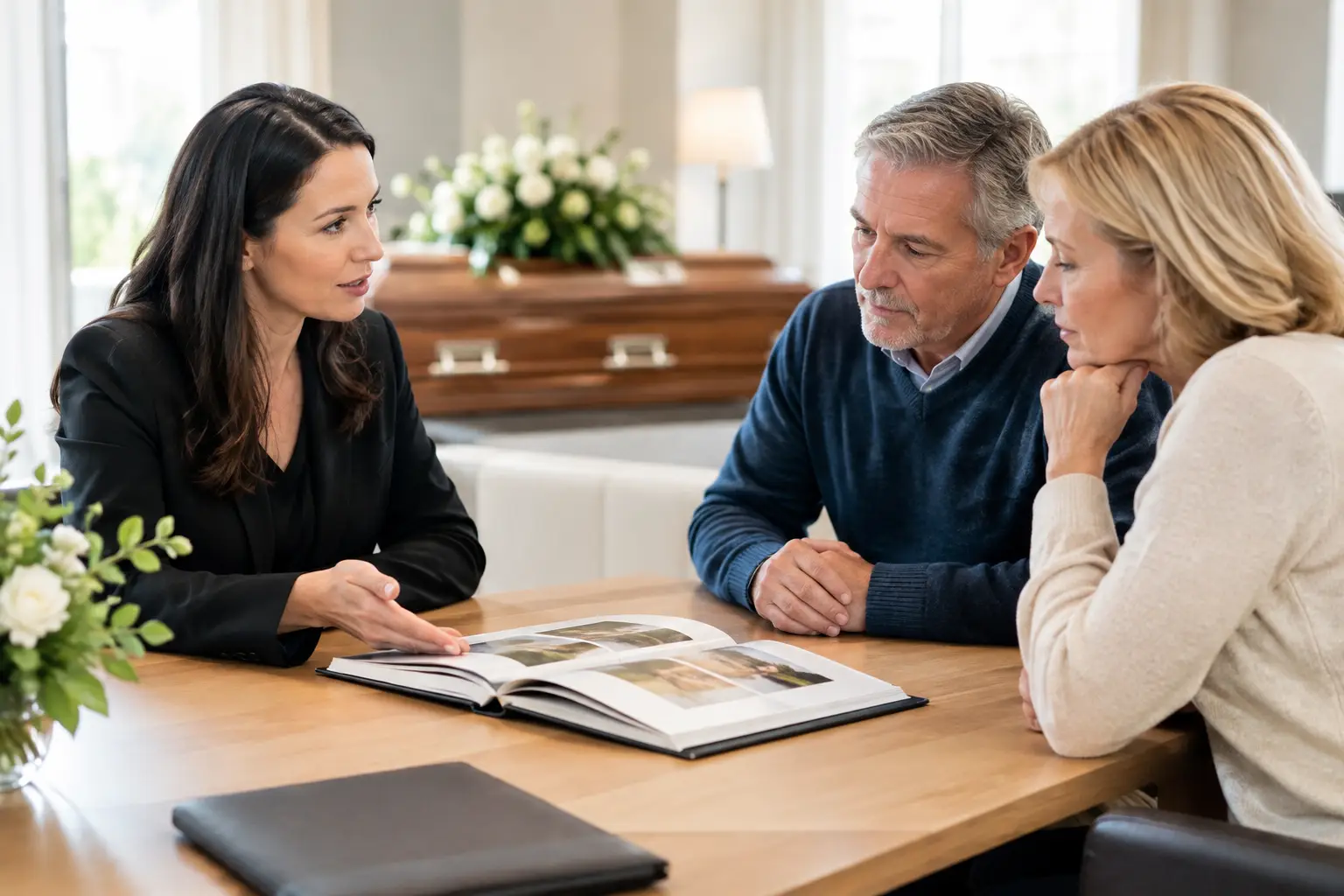
For children’s parties, christenings and family celebrations, it is worth allowing for prams, high chairs and family members who may need a seat away from the busiest part of the room. For a celebration of life, clear access, comfortable seating and an unhurried room layout can offer welcome reassurance at a difficult time.
Food, drink and flexibility make hosting easier
An accessible venue should also make hosting less complicated. When food, drinks, room hire and optional entertainment can be arranged in one place, you have fewer separate suppliers to coordinate and more time to focus on your guests.
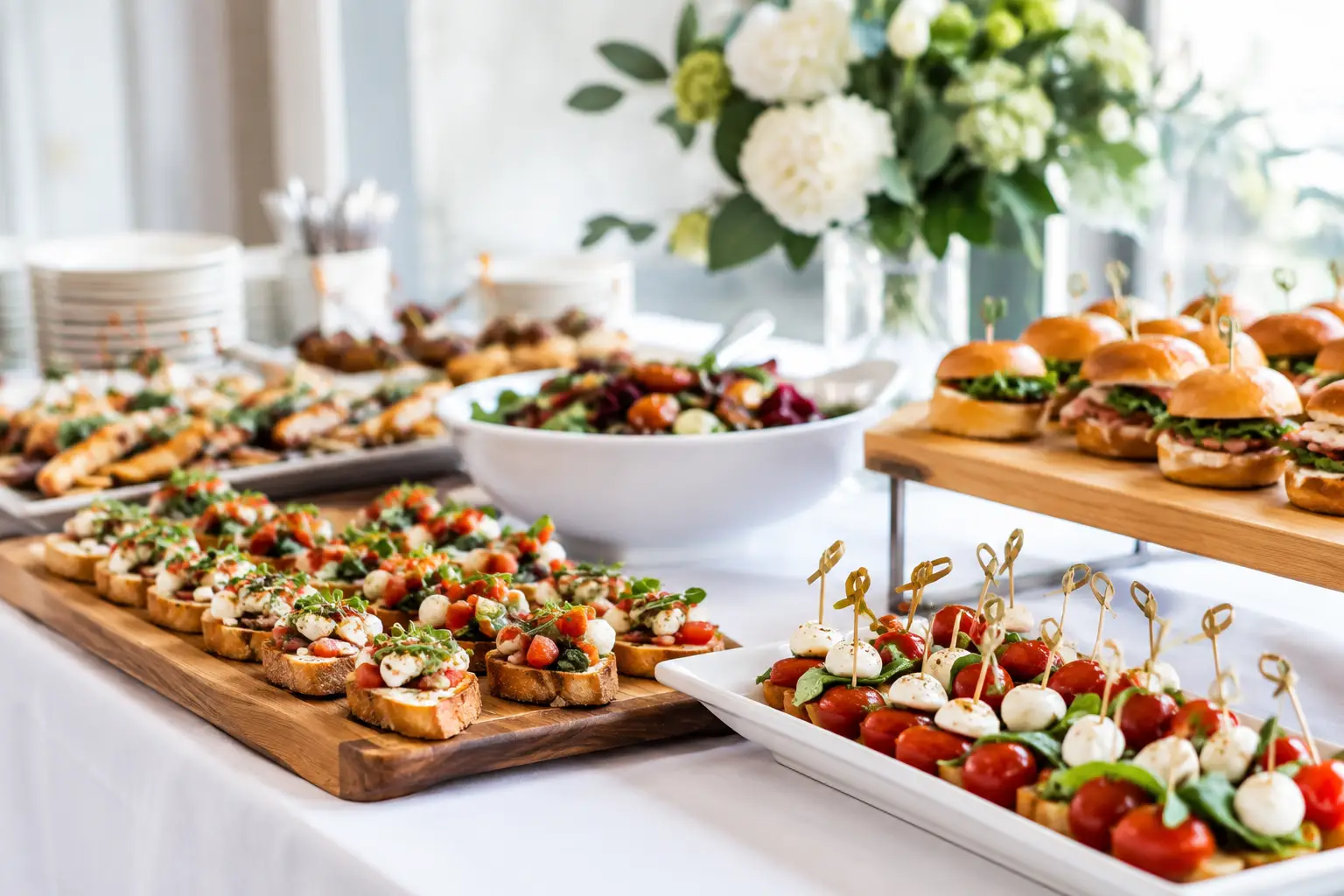
Consider whether a plated meal, buffet or informal catering style best suits the group. Buffets offer variety and a relaxed feel, while table service can be easier for guests who would rather not stand or queue. It depends on the occasion, the age range of your party and the level of support some guests may need. Let the venue know about dietary requirements early, especially where guests have allergies or require adapted meal options.
A licensed private bar can keep drinks service close to the room, rather than asking guests to travel through a larger building or public area. For family events, ask about soft drinks, tea and coffee, and timing for food service. Small practical choices often make the occasion feel more welcoming to every generation.
A practical Shoreham-by-Sea option for private events
For organisers in Shoreham-by-Sea, Brighton and across Sussex, a private venue with disabled access, free parking and flexible hire options can remove several major planning worries. The Harbour Club offers a dedicated function room for groups of 10 to 120 guests, with a waterfront setting overlooking Silversands Beach and the River Adur.
The room can be hired for celebrations, wedding receptions, baby showers, memorial gatherings, Christmas parties and corporate functions. Half-day and full-day hire suit many private occasions, while hourly bookings can be useful for business events. A private bar, Wi-Fi, dance floor and on-site catering options allow you to build the event around your plans, with self-catering, entertainment, décor and production upgrades available where required.
No membership is required to book, and a £100 deposit secures your date. That matters when you are comparing venues and need clarity before committing. It is always worth arranging a viewing, particularly when accessibility is a priority. Seeing the room, entrance and parking arrangements for yourself is the most reliable way to decide whether the space suits your guests.
Do not leave access details until the final week
Guest numbers, food choices and decorations often receive the earliest attention, while access can be left until the invitation list is finalised. That can create unnecessary pressure. Raise the conversation when you first enquire, then revisit it when confirming your layout and schedule.
If a guest’s needs change close to the date, tell the venue as soon as possible. A small adjustment, such as moving a table, keeping a nearer parking space available or changing the buffet arrangement, may make a significant difference. Good planning does not mean predicting every eventuality. It means choosing a venue that listens and can help you adapt.
The best parties are remembered for the people who were there, not for the obstacles they had to overcome. When access is built into your venue choice from the start, every guest has a fair chance to enjoy the celebration in full.